
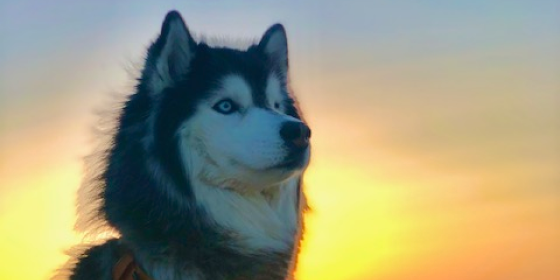
The loss of a pet is more than grief — it is a reflection of love, presence, and meaning. Explore what losing a beloved companion teaches us about life.
If this reflection resonates with you, consider supporting animals who still need care and protection.
What Losing a Pet Teaches Us About Life
There are some losses in life that arrive slowly, giving us time to gather ourselves, to prepare, and to understand that change is coming. Then there are other losses that come quietly and without warning, dividing life into a before and an after in a single moment. For many people, the loss of a beloved pet belongs to this second kind.
We know, in theory, that the lives of animals do not follow the same timeline as our own. We understand this in the abstract, yet when the moment comes, it rarely feels abstract. It feels deeply personal, immediate, and disorienting. What leaves us is not simply an animal, but a living presence that had become woven into the emotional structure of everyday life. A pet does not just occupy a corner of the home. Over time, that pet becomes part of the home’s rhythm, its atmosphere, its quiet continuity.
This is what makes grief after the loss of a pet so profound. The absence is felt not only in grand moments of remembrance, but in all the small and ordinary places where love once lived unnoticed. It is there in the walk that no longer happens in the same way, in the familiar sound that no longer comes from another room, in the stillness that replaces a once-living routine. The world itself does not change, and yet it no longer feels arranged in quite the same way.
Part of what makes the human-animal bond so remarkable is its lack of complication. Animals do not love us for our achievements, our status, or our words. They do not require us to explain ourselves before offering presence. They meet us in a place beneath performance, beyond language, and often beyond the guardedness that shapes many human relationships. In that simplicity, they reveal something essential: that love can be steady, real, and deeply felt without needing to be analyzed.
For this reason, grief after the loss of a pet is not simply sorrow. It is recognition. It is the realization that something pure, direct, and meaningful truly existed. It is proof that a bond was formed that mattered deeply, even if the world does not always know how to speak about that kind of loss with the seriousness it deserves. Those who have loved an animal understand that the grief is real because the relationship was real.
What pets teach us in life often becomes visible only after they are gone. They teach presence without trying to teach. They show us the value of routine, devotion, patience, and joy without ever framing those things as lessons. A dog can remind us that a walk is not merely movement, but attention. A shared silence can become companionship. A brief glance can become understanding. The ordinary becomes sacred because it is shared.
When loss enters that space, it often brings with it a difficult awareness of life’s fragility. We are reminded that what feels permanent may not be. We begin to understand more clearly that love is never made less meaningful by its impermanence. If anything, its temporary nature deepens its value. The years we have with a beloved companion do not feel diminished because they end; they feel magnified because they mattered.
This is also where grief can begin to change. At first, it may feel like pure absence. Over time, however, it often becomes something quieter and deeper. The pain does not disappear, but it can soften into gratitude, and gratitude can become responsibility. Many people discover, in the wake of losing a beloved pet, that their compassion has widened. The love once directed toward one life becomes a more expansive awareness of other lives in need of care, protection, and dignity.
That is often how a legacy begins. Not as a plan, but as an unfolding. The loss of one animal reveals how many others live without the comfort, safety, or support that every creature deserves. Grief then becomes more than a private sorrow. It becomes a reason to act, to give, to help, or to create something meaningful in honor of the life that changed us.
The loss of a pet does not teach us that love is fragile. It teaches us that love is transformative. It teaches us that devotion can shape who we are, that grief can reveal what we value most, and that a life need not be long to be profound. In loving an animal, we are often brought closer to the most essential parts of ourselves. In losing one, we are reminded not only of pain, but of meaning.
If there is a final lesson in this, it may be this: love does not end when form changes. It does not disappear when a body is gone. It continues in memory, in tenderness, in habits that remain, and sometimes in acts of care that reach beyond the original bond. What a pet gives us is never limited to the years we shared. That love continues to live in the way we remember, in the way we choose to care, and in the way we are changed forever by having been loved so simply and so well.
FAQs
Because a pet becomes woven into the everyday rhythm of life — walks, sounds, routines, and shared stillness. When they are gone, the world’s familiar arrangement shifts in ways that are felt in small, ordinary moments, not just grand ones.
Yes. The human-animal bond is real and profound. Pets love without conditions, without requiring explanation or performance. Grief after their loss is a recognition that something genuinely meaningful existed.
They teach presence, devotion, patience, and the sacred quality of the ordinary — that a walk is more than movement, that shared silence is companionship, and that simple love can be deeply profound.
No — impermanence deepens value rather than diminishing it. A life need not be long to be profound, and a bond does not become less real because it ends.
For many people, the loss of one beloved animal opens their eyes to the needs of many others. Personal grief becomes expanded compassion, and love that once belonged to one life begins reaching toward animals who still need care.
The blog suggests it does not. Love continues in memory, in habits of tenderness, and in acts of care — often widening into something that honors the original bond by extending its spirit into the world.
Support Our Work
If this message resonates with you, consider supporting the Spartacus Foundation.Your contribution helps provide care, treatment, and protection for animals in need.